Leaflet Distribution Mistakes in 2025 (And What Works in 2026)
0 minute read
We’ve all been there: you invest a significant portion of your budget into a massive leaflet campaign, only to be met with silence. The truth is, the traditional 'one-and-done' approach often gets lost in the noise of junk mail. If your previous efforts haven't delivered the results you expected, it’s not you, it’s a sign that the old way of doing things needs an upgrade.
But here's the good news: 2026 doesn't have to be a repeat of 2025's disappointments. At Mr Flyer, we've been in the trenches with thousands of businesses just like yours, from local plumbers and gyms to bigger outfits like estate agents and restaurants. We've seen what works and what doesn't, and it's not rocket science. It's about getting back to basics but doing them properly: ditching the quick-and-dirty one-off drops, binning the cheapskate design and print jobs, and finally linking your leaflets to your digital marketing. Hence, everything pulls in the same direction.
In this post, we'll break it down step by step. We'll answer the big questions that keep business owners up at night, like why your last campaign bombed, how to fix it without breaking the bank, and what real results look like. By the end, you'll have a clear plan to turn leaflet distribution from a gamble into a reliable way to bring in customers. And trust us, when done right, door-to-door marketing still smashes it even in a world full of TikTok and Google ads. Let's get into it.
Why does a single leaflet drop rarely work anymore?
People are busy. One leaflet lands on the mat next to the pizza menu and the taxi card. They barely glance at it, and it's in the recycling before the kettle's boiled. One touch is nowhere near enough. You need your name and offer to keep turning up, just like Amazon keeps emailing you until you finally buy the thing in your basket. Multiple drops over a few months do exactly that without being annoying; they just become familiar.
Back in the day, a single drop worked because there wasn't as much competition. But in 2025, every household got hammered with marketing from all angles: emails, social media, even those annoying pop-up ads on your phone. Your leaflet has to fight for attention, and one go isn't enough to win. Studies from the Direct Marketing Association show that it takes at least 5-7 touches for a brand to stick in someone's mind. A one-off drop? That's just one touch, and it's usually the weakest.
We usually tell clients to plan for 4–6 drops, same areas hand-picked using real data, so you're not wasting paper on streets that will never buy from you. For example, take a local gym we worked with last year. They did a one-time drop in a broad postcode area, got a handful of sign-ups, but nothing to write home about. We switched them to monthly drops over 3 months, targeting families within a 2-mile radius using postcode data from sources such as Experian. Response rates jumped from under 1% to over 5%. That's not theory, that's what actually happens.
And it's not just about repetition; it's about timing. Drop one introducing your business, the next with a special offer, the third with a testimonial from a happy customer. Each one builds on the last, turning cold strangers into warm leads. Businesses that switch from one random drop to proper repeat campaigns regularly see response rates jump from under 1% to 4–9%. If you're asking yourself, "Why didn't my leaflet distribution work last time?" – this is often the answer. In 2026, make multiple drops your default, and watch the difference.
Your brand deserves better than budget design and thin paper.
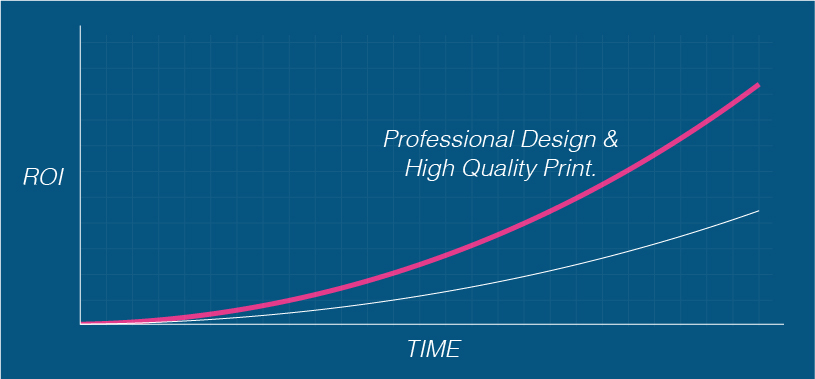
Think of your print marketing as your brand’s first handshake. If that handshake feels flimsy or looks unpolished, you’ve lost the sale before the customer even reads your offer. Using low-weight paper and DIY graphics might look like a saving on the invoice, but it’s a massive cost to your conversion rate. Quality design doesn’t just look better, it builds the trust required to turn a reader into a lead.
We see this all the time at Mr Flyer. A client comes to us after a failed campaign, and the first thing we look at is the leaflet itself. Six times out of ten, it's on thin paper that feels like it'll tear if you breathe on it, with a design that's all features and no benefits: "We've been in business 20 years" instead of "Get your boiler fixed today and save £50".
Think of that extra £100–£200 as an insurance policy for your campaign. By choosing a sturdier 150–170gsm stock, you’re creating something people actually want to hold onto. But the paper is only half the battle; your design needs to work fast! With only a three-second window to grab attention, a punchy headline that speaks directly to a customer's needs;like helping a homeowner 'Slash Sky-High Energy Bills'- is what really turns a leaflet into a conversation.
At the end of the day, your customers care about one thing: how you can help them right now. While your history matters, your results matter more. Clients who make the switch from basic print to professional, high-spec leaflets consistently tell us the same story: 'The phone started ringing the very same week.' Don't let your message go unnoticed.
Take a real example: a takeaway restaurant in Leeds tried cheap online printing for their menus. Looked okay on screen, but how does it look in hand? Flimsy and forgettable. We redid it with thicker stock, eye-catching photos of their best dishes, and a "Buy One Get One Half Price" offer front and centre. Their next drop brought in twice as many orders. In 2026, if you're serious about door-to-door marketing, treat your leaflet like your shop window, make it look the part, and the customers will come.
What if you're on a tight budget?Start small: invest in a professional designer for one template, then reuse it across drops. It's not about spending fortunes; it's about spending smart. Cheap always costs more in the long run.
Combine Leaflets with digital because no one markets in a bubble anymore
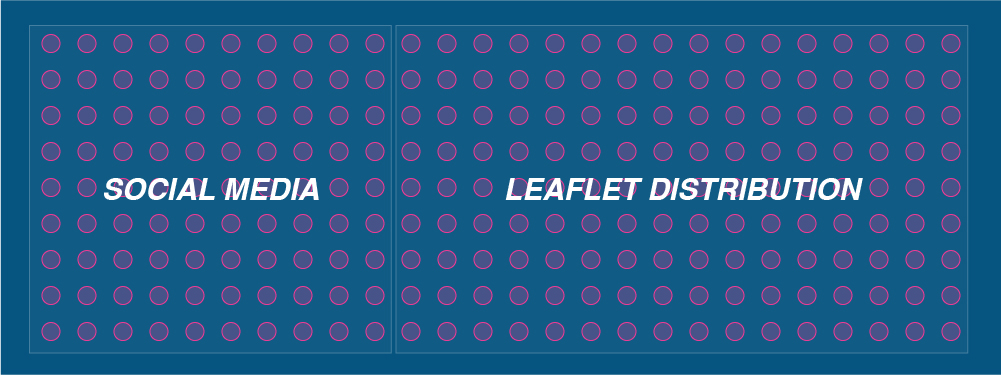
The most brilliant move in 2026 is to make your leaflet and your online content work together, not separately. Gone are the days when leaflet distribution was a standalone thing; now, it's part of a bigger picture that includes your website, social media, and ads. Why? Because customers don't live in silos. They might see your flyer, scan the QR code, check you out on Facebook, and then buy online. If those pieces don't connect, you're leaving money on the table.
- Stick a QR code on the leaflet → takes people to a special landing page with the same offer.
- Run Facebook or Google ads to the same postcodes you're dropping → people see your ad online and then get the leaflet a few days later—instant recognition.
- Put a trackable phone number or unique discount code on the flyer → you know precisely how many sales came from the doors.
This hybrid approach isn't fancy jargon; it's common sense. We've had clients cut their cost-per-sale in half just by doing these simple tie-ins. The leaflet gets someone's attention offline, and digital seals the deal. For instance, an estate agent we work with used to do isolated drops. We added QR codes linking to virtual tours on their site, plus retargeting ads on Facebook for the dropped areas. Leads went up 30%, and they could track every step.
How do you get started? First, map your drops using tools like Google Analytics or postcode software to match your digital targeting. Second, create consistent messaging: same colours, same offers across leaflets and online. Third, measure everything: use unique URLs or codes to see what's driving traffic. If you're wondering, "How can I make my leaflet distribution more effective?" – this is it. In 2026, businesses ignoring digital integration will get left behind.
And don't forget email follow-ups. Collect data from your drops (with permission, of course) and nurture leads online. It's like turning a one-way street into a motorway.
What should you actually do next?
To see a real return, it’s time to move away from the 'one-off' mindset. Think of a 3–6 month repeat campaign as an investment in brand recognition rather than a roll of the dice. By using data to target specific streets where your ideal customers live, you replace 'blanket bombing' with precision. Pair this with trackable QR codes and unique offers so you can see exactly which areas are performing. It’s not just about printing a leaflet; it’s about building a predictable lead-generation machine.
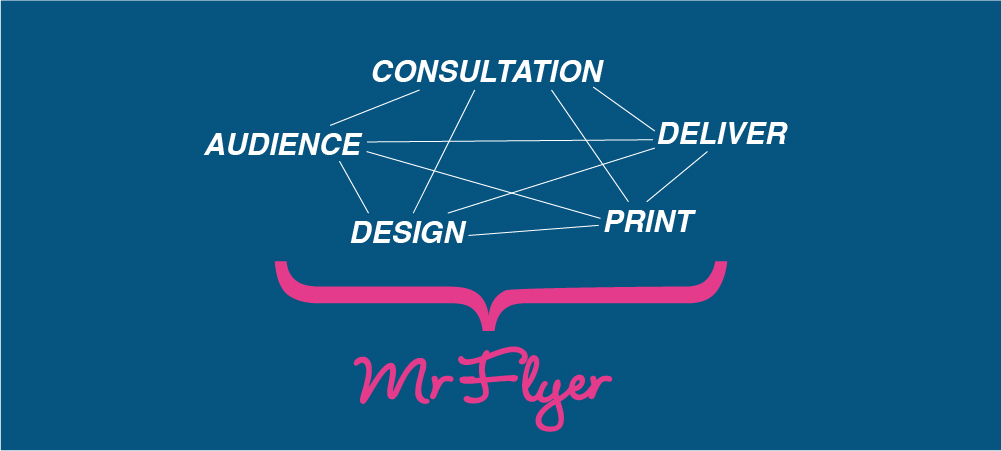
If that sounds like a lot to manage while you’re busy running a business, let’s talk. We handle the lot: design, print, mapping, delivery, the works – so you don't have to chase ten different suppliers. We've got teams that do this day in, day out.
Drop us a message or give the team a ring. Let's make 2026 the year your leaflets finally start paying for themselves instead of costing you a fortune. Imagine the relief of seeing real customers walk through your door because of a campaign that actually works.
